

Image courtesy of Brian Zajac / Unsplash
After a Florida homeowner dies, the family home raises questions beyond who is named in a will. Does the property qualify as a protected homestead? Who inherits it? What must be established before an inherited home can be sold?
For families in St. Augustine and St. Johns County, these questions involve Florida’s constitutional protections and probate procedures.
What Is a Protected Homestead?
Florida’s homestead laws address three distinct subjects: property-tax benefits, protection from certain creditors, and restrictions on transferring a home at death. A property-tax homestead exemption does not, by itself, settle the probate questions.
Qualifying homestead protections extend to a surviving spouse or heirs. Protected homestead is generally excluded from the assets administered by the personal representative to pay estate obligations. However, a probate court may still determine its protected status and identify ownership interests. Saying that homestead always “avoids probate” oversimplifies the process.
What Property Qualifies?
The analysis considers ownership, residential use, and the circumstances at death. Relevant questions include how the property was titled, whether it qualified as the deceased person's permanent residence, and whether the applicable constitutional requirements were satisfied.
The Constitution generally limits protected homestead to one-half acre within a municipality or 160 contiguous acres outside a municipality, subject to its provisions. A St. Augustine mailing address alone does not establish municipal boundaries.
Certain homes held in trust can qualify. A trust does not automatically eliminate homestead restrictions; its terms and the owner’s retained interests require examination.

Image courtesy of Shutter Speed / Unsplash
How Do a Spouse and Children Affect Inheritance?
A “devise” generally means a transfer at death through a will. Florida’s homestead statute also includes certain trust dispositions.
When an owner leaves a surviving spouse or minor child, homestead generally cannot be devised freely. An exception permits a devise to the surviving spouse when there is no minor child. Valid waivers of spousal rights may affect the analysis.
Consequently, a will naming someone as the home’s beneficiary does not necessarily control. The family circumstances and applicable restrictions must also be considered.
Who Inherits When There Is No Valid Devise?
If a spouse and descendants survive, the spouse generally receives a life estate, with the descendants holding remainder interests. A life estate gives the spouse an interest lasting for the spouse’s lifetime.
Instead, the surviving spouse may elect an undivided one-half interest as a tenant in common, with the descendants receiving the remaining undivided one-half interest. This creates shared ownership rather than successive lifetime and remainder interests.
The election generally must occur within six months after death and during the spouse’s lifetime. It requires recording a notice in the county or counties where the property lies.
What Must the Homestead Petition Establish?
Florida probate permits an interested person to file a verified petition to determine protected homestead status. Required information includes:
The petitioner’s interest, the death date, and the deceased person’s county of domicile.
Whether the person died with or without a will.
The surviving spouse’s identity and any waiver of homestead rights, including its method.
Surviving descendants and minor children, with minors’ names and birth years.
The property’s legal description, title at death, applicable domicile facts, and other supporting circumstances.
"When a petition is filed, the court evaluates whether the property qualifies as protected homestead. Filing a petition alone does not establish eligibility."
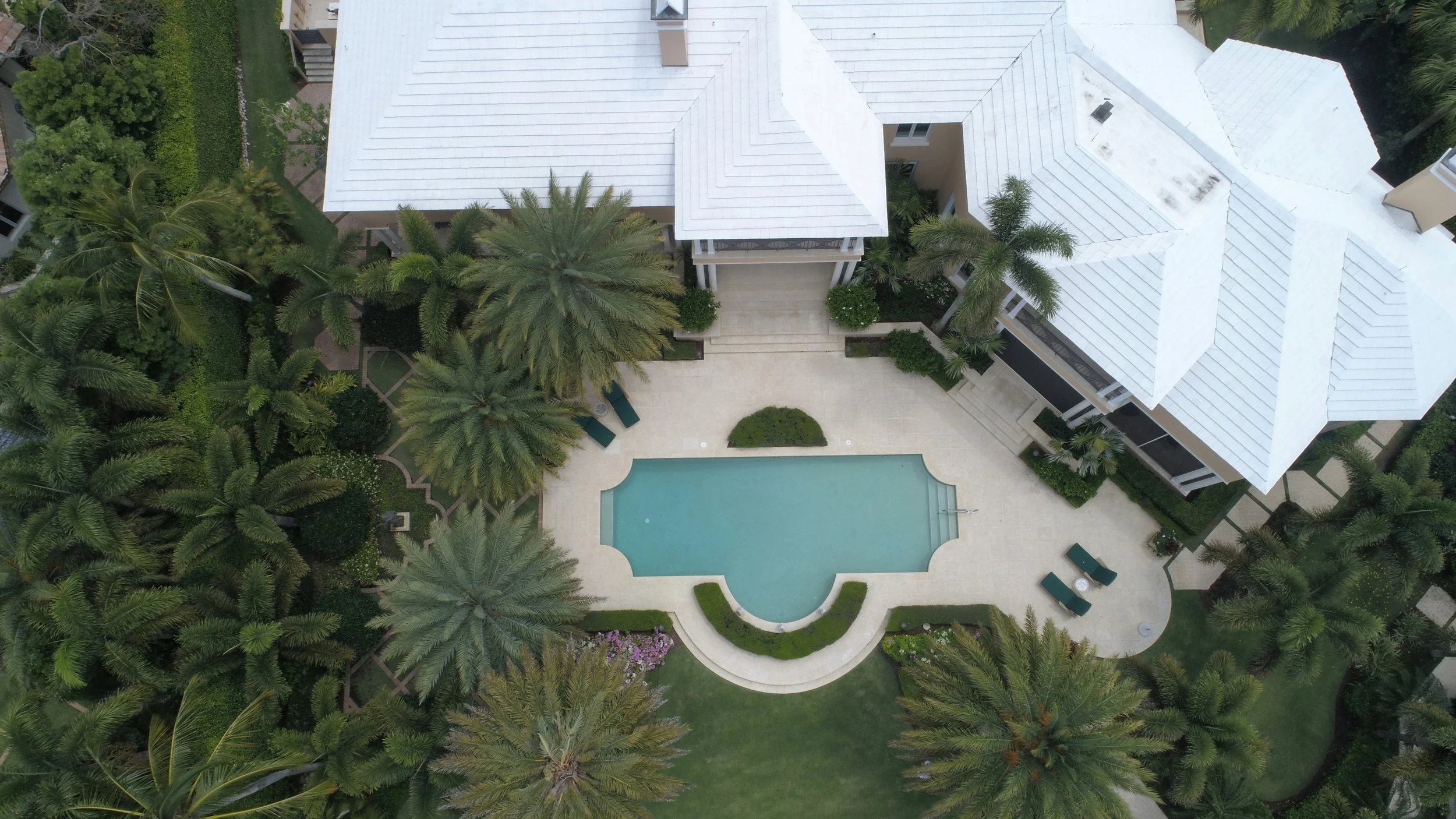
Image courtesy of Derek Thomson / Unsplash
Does Homestead Protection Eliminate Property Debts?
No. Protection from estate creditors does not mean the home is free of enforceable obligations.
The Florida Constitution recognizes exceptions for property taxes and assessments and qualifying obligations connected with purchase, improvement, repair, or labor. A valid mortgage does not disappear because the owner dies.
Why Does the Determination Matter Before a Sale?
Selling inherited property requires clarity about ownership and authority to convey it. A surviving spouse’s life estate, descendants’ remainder interests, or shared ownership can affect whose participation is necessary.
An attorney’s role may include examining deeds and estate-planning documents, applying inheritance restrictions, preparing probate filings, and addressing title questions affecting a transaction. The scope depends on the ownership structure and legal issues involved.
Understanding if a home is a protected homestead requires examining the property, governing documents, and more together. Those findings shape both inheritance rights and the legal steps involved in a later transfer.
Probate Attorney in St. Augustine, FL
Vo Law is a St. Augustine, Florida-based law firm that provides legal services in real estate, business law, estate planning, commercial litigation, and appellate practice. The firm's estate planning and probate services include preparing wills, trusts, powers of attorney, health care surrogate designations, living wills, and HIPAA authorizations, as well as assisting families and fiduciaries with probate proceedings and the administration of trusts and estates.